Tesla is gambling €3 billion on a car without steering wheel... in Germany
Tesla is dropping $4 billion into the German dirt - literally. At a moment when Volkswagen is drafting plans to close up to four factories, BMW is trimming its headcount, and Mercedes won’t invest a cent more in Germany, Elon Musk is pouring cash into the Gruenheide gigafactory on the outskirts of Berlin. It's a brave step that flies right in the face of the downsizing panic gripping the European auto sector. Legacy German automakers have been bleeding market share to Chinese imports offering superior software at lower price points. But the target for the new Tesla investment isn't another mid-sized crossover - Tesla is getting ready to build a car without a steering wheel.
If the expansion goes through, Tesla will dethrone Volkswagen's historic Wolfsburg headquarters as the largest automotive manufacturing plant in Europe by pure capacity. Wolfsburg used to be the untouchable fortress of German industrial might, making Golfs and Passats by the millions. Now, a Texas-based company wants to crank out one million Cybercabs annually from a site that didn't even exist five years ago. Gruenheide employs about 12,600 workers building the Model Y and is capped at around 375,000 vehicles a year. Pushing that output into the seven-figure territory means serious infrastructural scaling. They're starting with a second wastewater treatment plant and a sprawling new production facility.
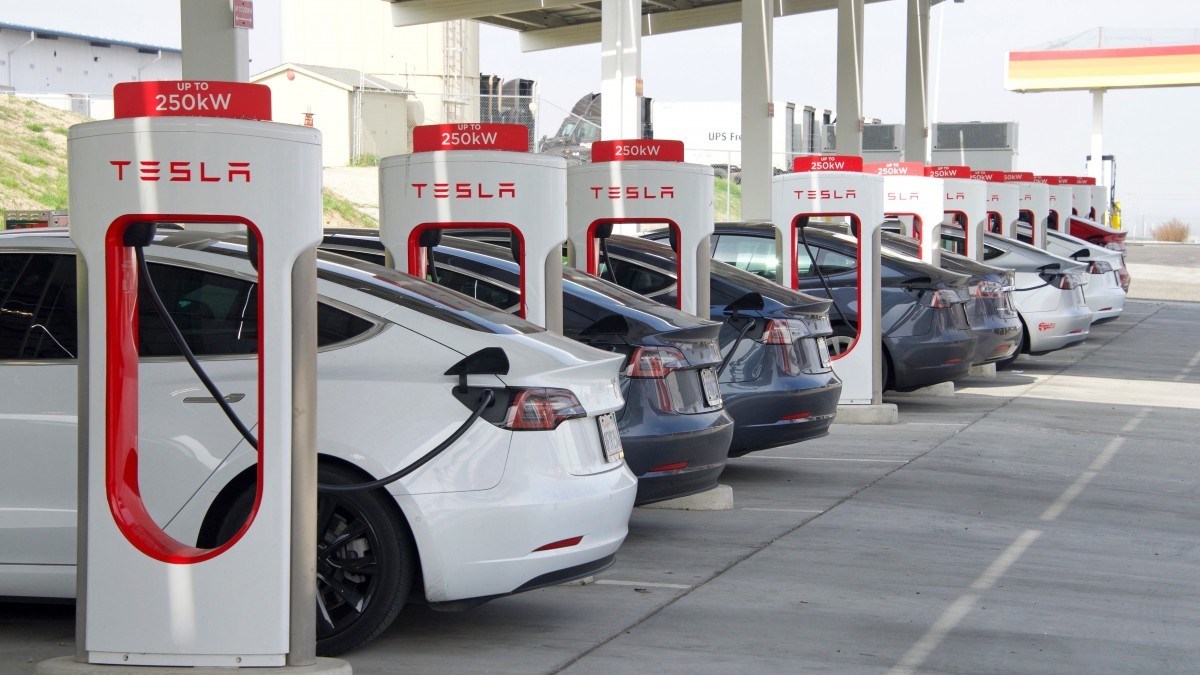
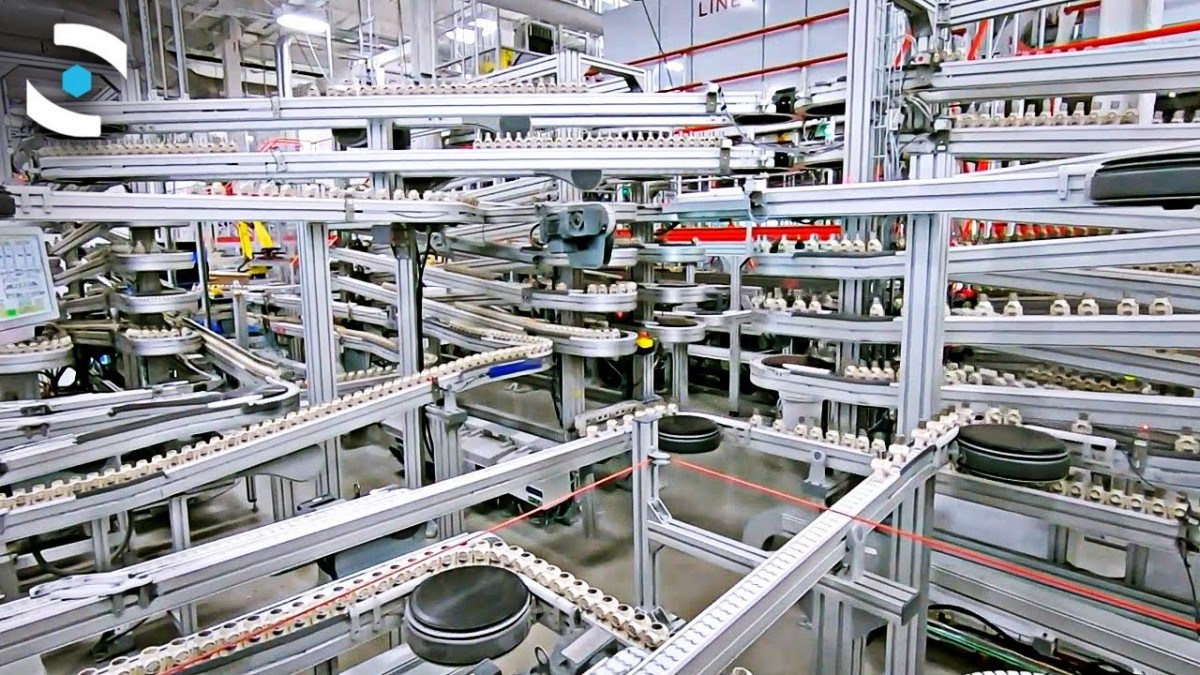
The path to that million-unit figure will depend on ruthless vertical integration. Alongside the vehicle assembly lines, Tesla is funneling a $250 million chunk of investment to kickstart localized production of its 4680 battery cells by the middle of next year. By building the structural packs on-site, they strip out the massive logistical overhead of shipping cells across the ocean. It's a textbook lean-manufacturing playbook. Legacy automakers rely on a fragmented supply chain spread across multiple borders and external suppliers. Tesla wants raw materials coming in one end of the Gruenheide compound and finished robotaxis rolling silently out the other.
But there’s a small, tiny problem with this plan - Tesla wants to build a million units of a vehicle that can't legally drive itself on European roads. At least not yet.
The regulatory wall in the European Union is steep. Under transport guidelines, vehicles operating with Level 4 autonomy - meaning no driver controls, no pedals, and no human intervention required within geofenced areas - face a strict registration cap. The EU only allows 1,500 driverless vehicles per vehicle type to be registered annually. You don't need a calculator to see the problem with building a million of them. Getting approval for mass-market deployment across European jurisdictions will need a legislative overhaul that hasn't happened yet. Safety regulators here move slowly, they ask for years of verifiable safety data before changing the rulebook. Tesla is betting billions that the laws will bend to the hardware by the time the assembly lines start moving in 2029.
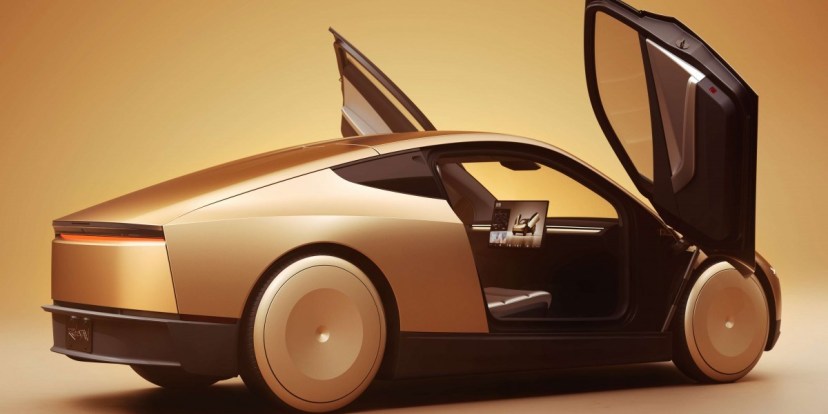
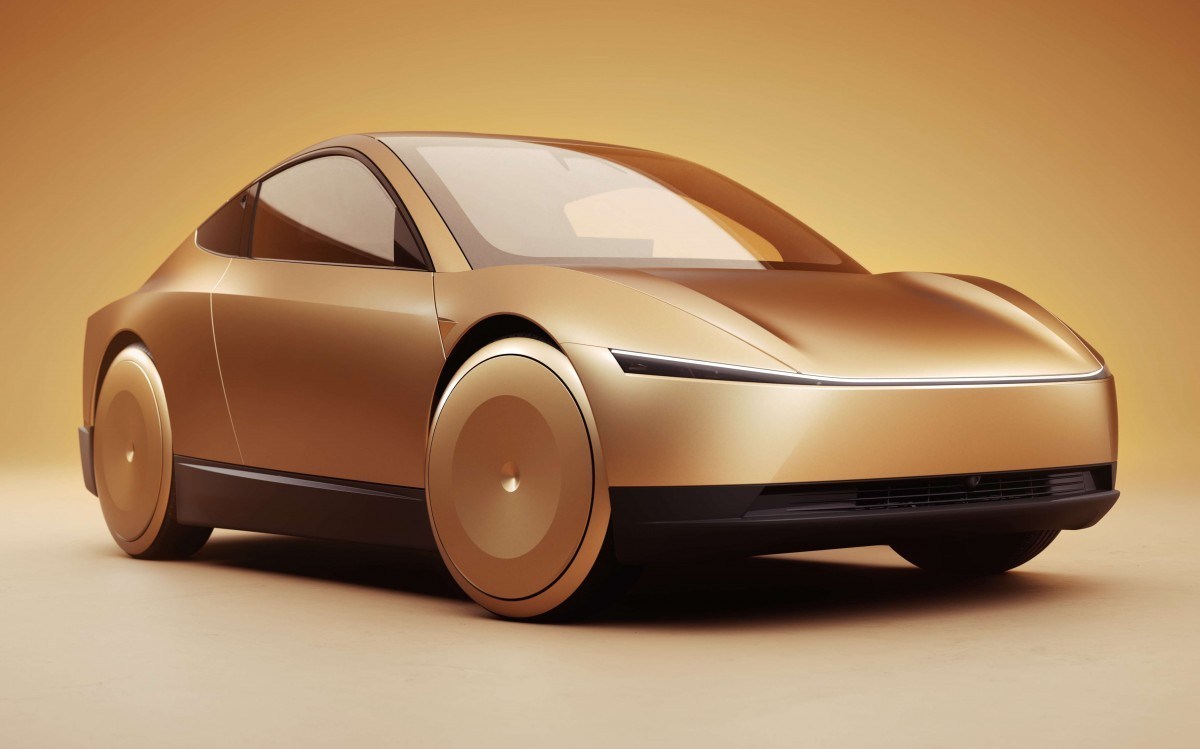
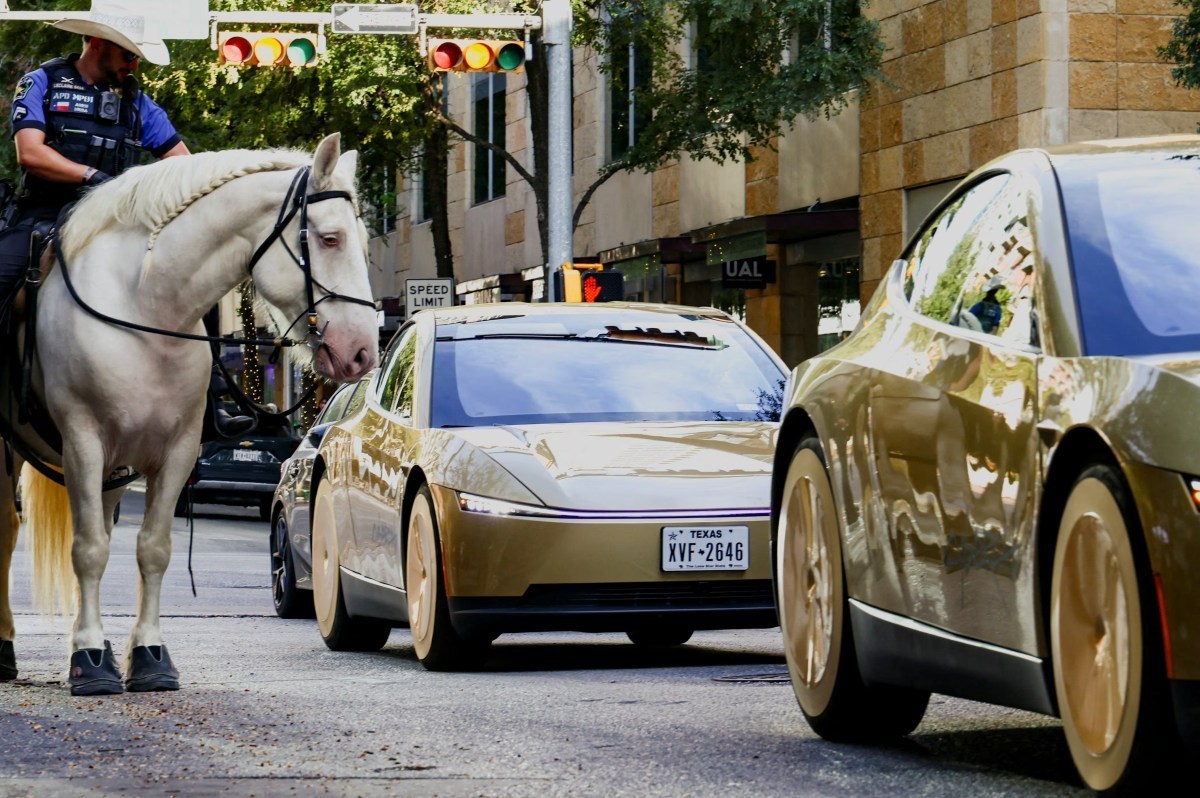
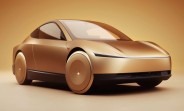
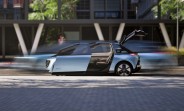
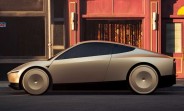
If you haven’t seen one yet, the Cybercab is a pint-sized two-door with butterfly doors and a sweeping rear profile. It is shorter than a Tesla Model 3 and weighs far less as well. If we look at its direct conceptual rival - the Rimac Verne robotaxi - the packaging challenges are quite obvious. The Verne is 167.3 inches long, stretches across a 106.1 inches wheelbase, and is 59.9 inches tall. Both vehicles prioritize cabin space over exterior footprint. They rely on a flat floor and a missing dashboard to create a lounge environment for passengers. When you pull the steering rack and column out of the firewall, you free up a lot of legroom. But without a wheel to hold onto, suspension tuning becomes absolutely critical. Occupants in autonomous vehicles are very susceptible to motion sickness if the damping doesn't perfectly iron out pitch and roll under braking. Rimac designed the Verne purely for fleet operators. Tesla wants to sell its idea directly to private buyers.
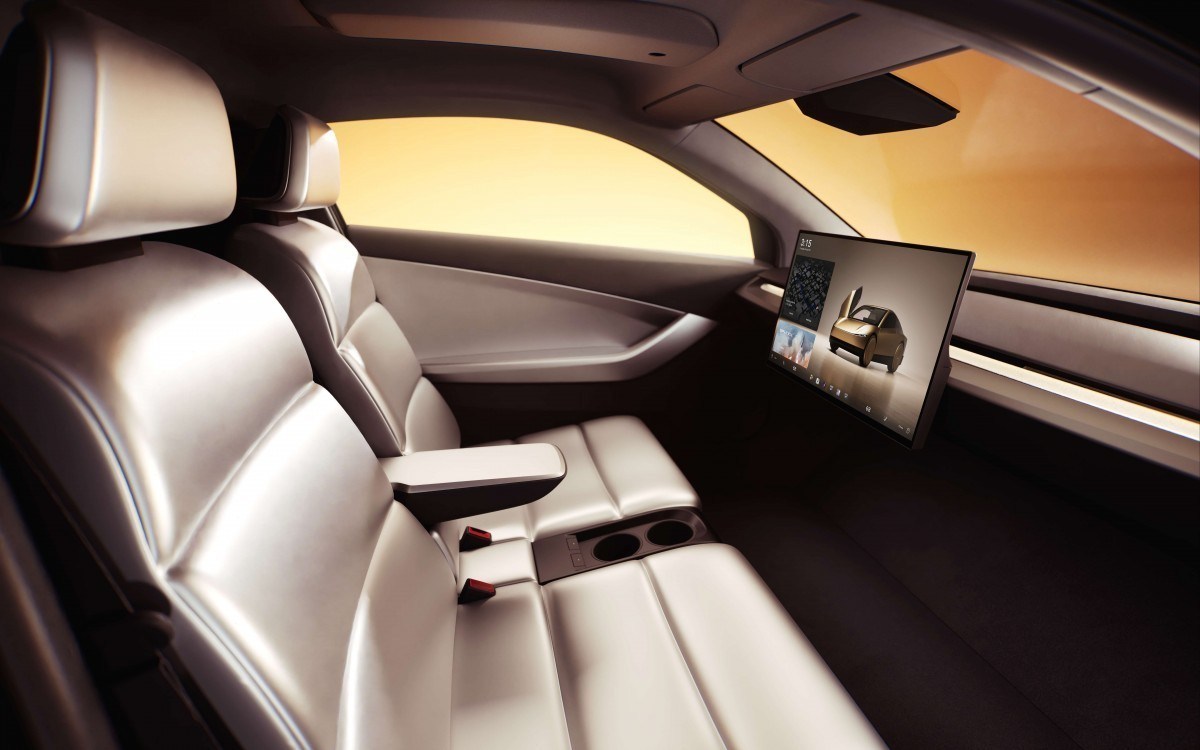
Late last week, Tesla opened the gates for private customers to purchase the Cybercab in select Texas cities like Austin and Dallas. The base vehicle has a sticker price of $29,990. That sounds competitive until you read the fine print. To actually make the car function autonomously, buyers must pay a $299 monthly subscription fee. Without that software tether, it's just a heavily stylized aluminum paperweight sitting in your driveway. You can't manually drive it to the shops. Like it or not, that approach shifts the car from a depreciating asset into an eternal software subscription service.
Musk is serious about the Cybercab and is clearing the deck to make this happen. Earlier this month, he confirmed Tesla will wind down Cybertruck production at the Texas gigafactory by the end of summer 2027. Killing off the stainless-steel halo truck just a few years into its lifecycle to make room for robotaxis tells you everything about the company's internal priorities. The Cybertruck was a branding exercise. It was uncompromising, and legally complicated to sell outside North America due to pedestrian safety regulations. The Cybercab is designed to be the complete opposite. It's built to be the high-margin, mass-market cash machine that scales globally.
But the environment in Berlin is getting hostile. The local management at Gruenheide has been in a grinding war with IG Metall, Germany's powerful manufacturing union. The union accuses Tesla of union-busting tactics. Tesla dismisses IG Metall as a self-serving relic of the old industry. Building a million automated robotaxis in a union-heavy region brings up uncomfortable questions about labor. Automotive analyst Matthias Schmidt pointed out the obvious friction. How much of this $3,500,000,000 injection creates sustainable, long-term employment, and how much just funds automated, low-labor assembly?
Tesla says they're hiring several hundred new workers for the initial construction phase. That hardly offsets the existential dread creeping through the domestic workforce, fueled by Tesla’s own Optimus robot, which is supposed to be perfect for 24-hour manufacturing jobs. No holidays, no lunch breaks, no unions to worry about - you can see why Tesla is so hell-bent on its next chapter.
Volkswagen, Mercedes, and BMW are all affected by Chinese electric vehicles flooding their home turf. Their response has been defensive - suspending investments, tightening belts, and protecting legacy margins. Tesla is taking the opposite route. They're doubling down on a hyper-automated future right in the backyard of the German establishment. They plan to submit the building permits before the end of the year. If they can somehow get through the infamous German environmental bureaucracy and local protests, construction will begin in the first half of 2027, with production set for 2029.
Related
Reader comments
Nothing yet. Be the first to comment.