Tesla shatters Wall Street estimates with 480,126 Q2 deliveries
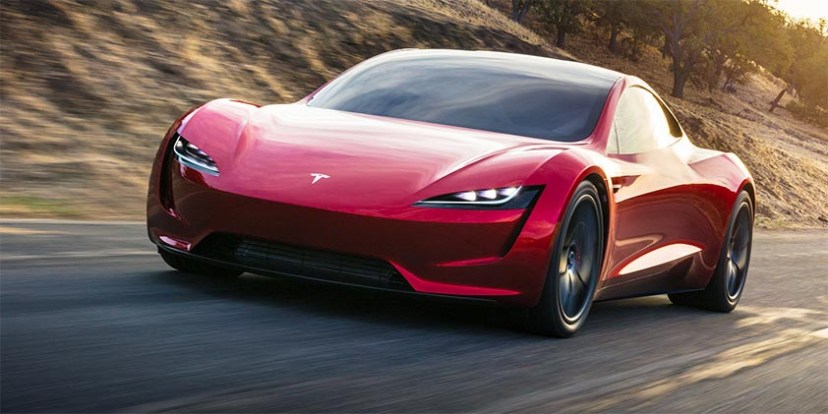
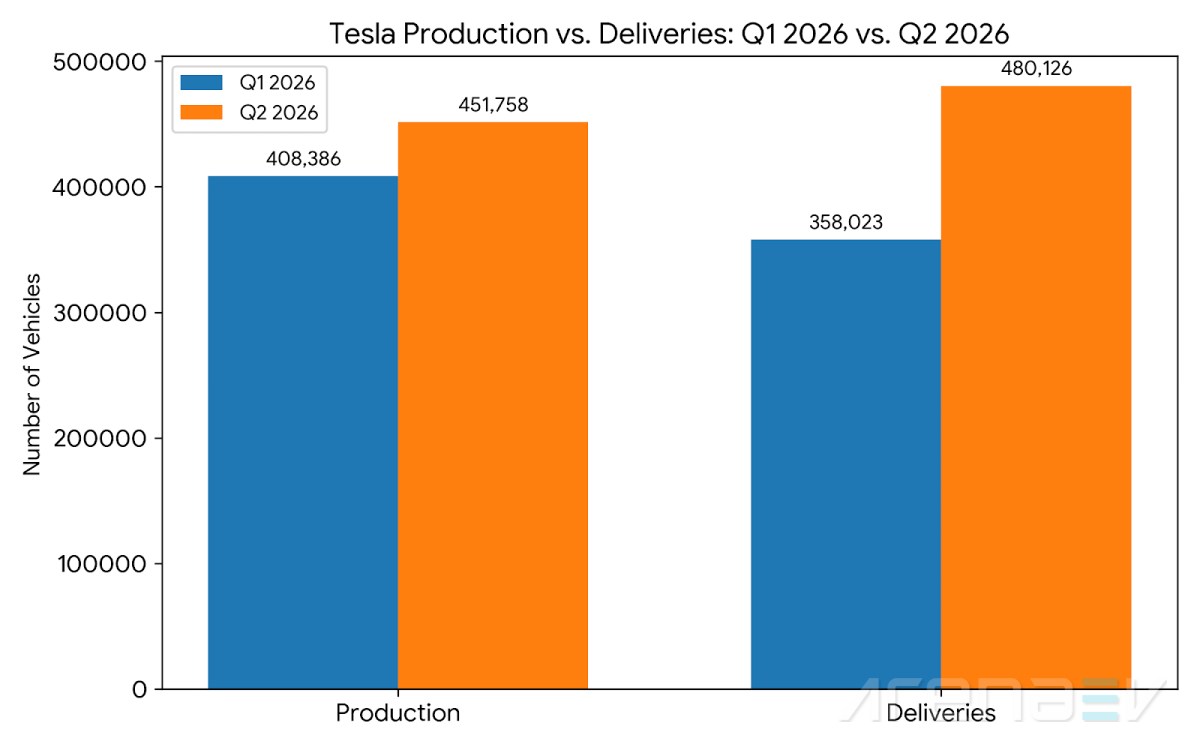
Tesla turned its falling sales around in the second quarter of 2026, breaking a long dry spell. The American manufacturer delivered 480,126 electric cars globally between April and June. This is a 25% increase compared to the same period in 2025, when the company delivered 384,122 vehicles. The quarterly volume also jumped 34% from the 358,023 EVs that Tesla handed over to buyers in the first quarter of 2026.
Unlike previous quarters where Tesla built more vehicles than consumers bought, the company managed its inventory much better this time. The automaker produced 451,758 vehicles in the second quarter, and it delivered 28,368 more cars than it actually made. This allowed Tesla to clear a sizable portion of the unsold inventory that had piled up earlier in the year. In the first quarter of 2026, the company made 408,386 vehicles but only sold 358,023, leaving a backlog of 50,363 EVs sitting in storage lots.
The delivery results completely blindsided financial experts who expected much lower volume. The official Wall Street consensus was 406,024 deliveries; Bloomberg had an even more conservative estimate of 396,465.95 vehicles. Even the most optimistic market predictions fell short of the actual numbers. Goldman Sachs anticipated 420,000 deliveries, Barclays projected 418,000, and Morgan Stanley estimated around 413,000. Tesla blew past the highest predictions by over 60,000 units, creating a rare data point that gave analysts very little room for skepticism.
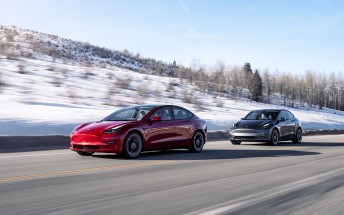
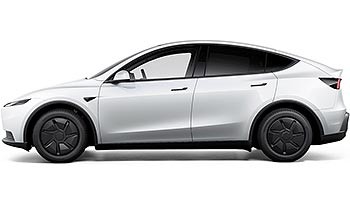
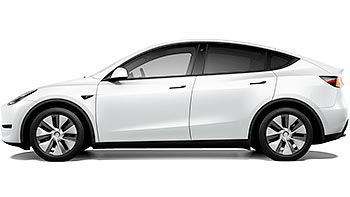
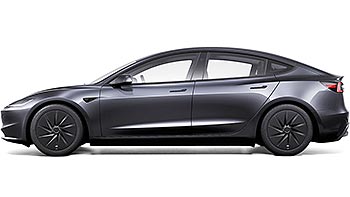
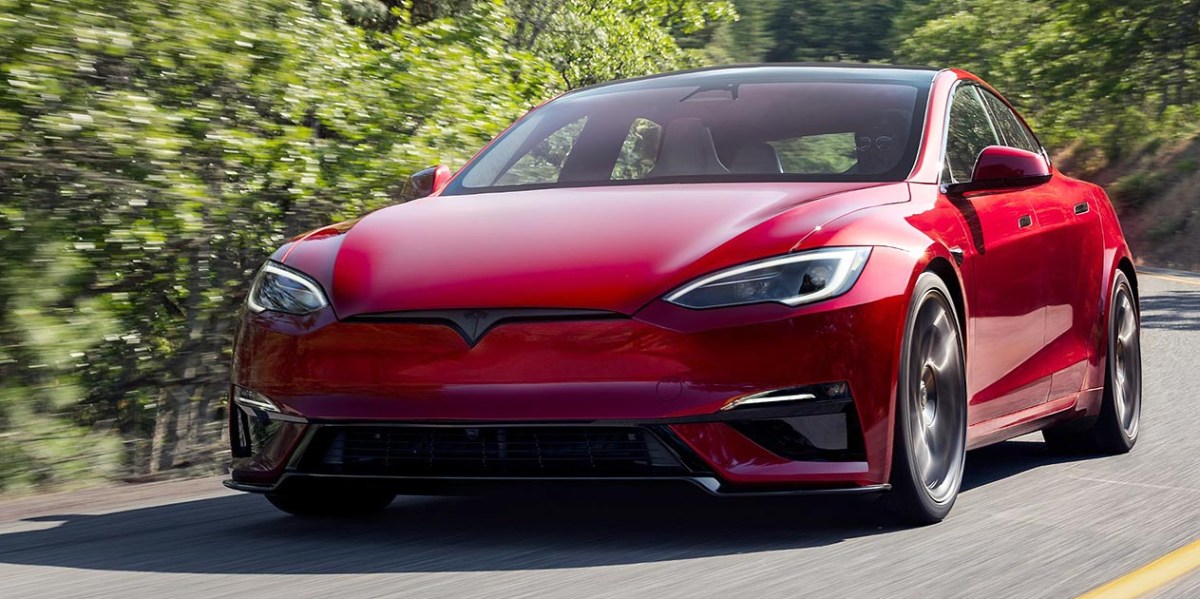
High-volume models naturally did the heavy lifting - the popular Model 3 sedan and Model Y crossover accounted for 442,936 of the vehicles produced and 467,762 of the vehicles delivered. Tesla's niche lineup - Model S, Model X, Cybertruck, and the Semi commercial truck - contributed 8,822 units to total production and 12,364 units to global deliveries.
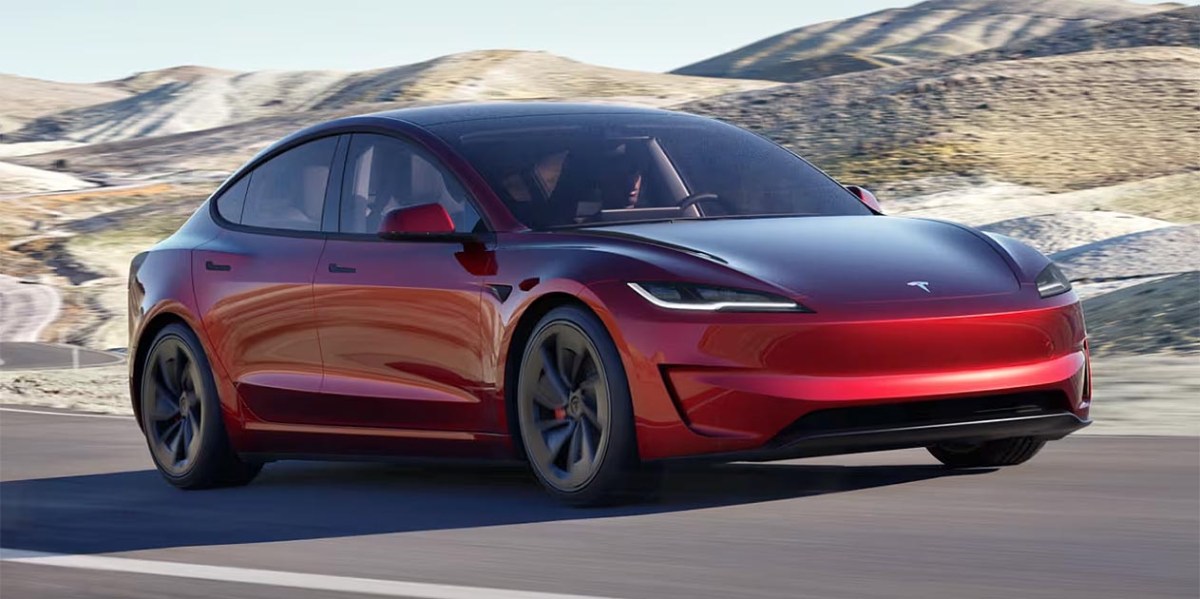
The second quarter of this year is the most successful second quarter in Tesla's history, but it did not break the company's all-time record. That crown still belongs to the third quarter of 2025, when global deliveries peaked at 497,099 units. During that period, US buyers flooded showrooms to take advantage of the $7,500 federal EV tax credit before it officially expired on September 30, 2025.
The loss of the tax credit impacted local demand in North America. Ahead of the Q2 report, Cox Automotive projected a steep 20% year-over-year drop in domestic sales, which would shrink Tesla's US market share to roughly 2.9%. The international factors completely overwhelmed these domestic struggles - a war in Iran caused a dramatic spike in global gasoline prices. Although the fuel price surge eventually stopped, it pushed thousands of international car buyers away from combustion engines and toward electric cars.
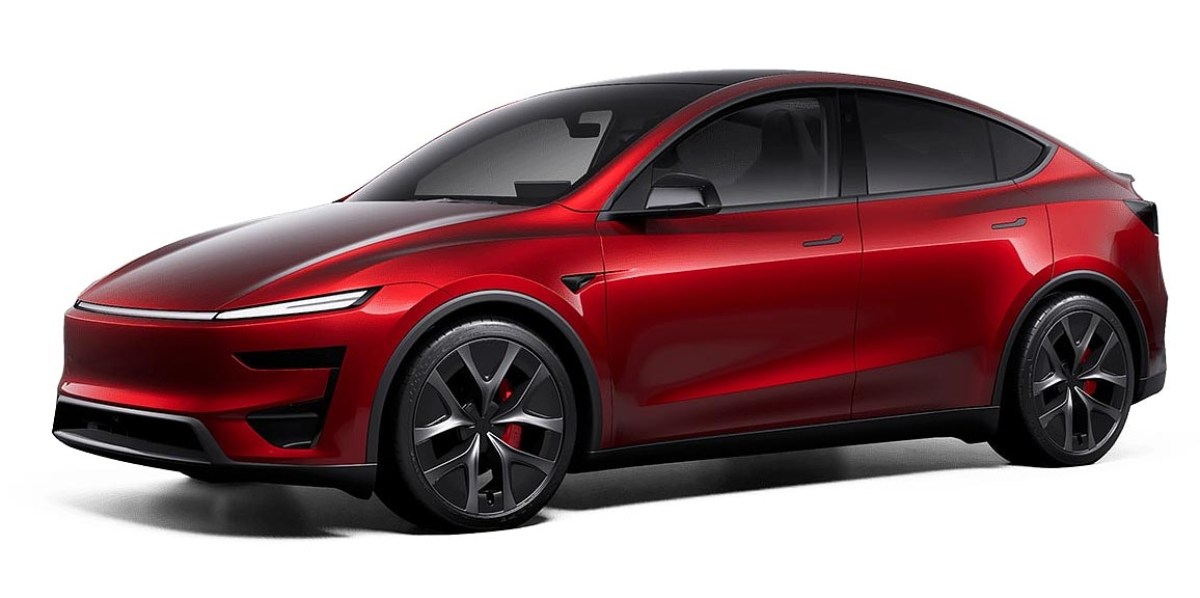
International markets, especially China and parts of Europe, stepped in to absorb the vehicles. Tesla China wholesale deliveries reached 254,551 vehicles, growing 33% year-over-year, with June alone contributing 89,091 units of locally made Model 3 and Model Y variants. Europe also showed a strong regional recovery. In June, new registrations for the brand more than doubled in France, went up by 56% in Sweden, and climbed by 39% in Denmark.
This global growth helped Tesla close the distance with its main international rival, BYD. The Chinese auto giant delivered 557,090 fully electric cars during the second quarter of 2026, maintaining its first-place position in global battery-electric vehicle sales. Interestingly enough, the two companies are moving on entirely different paths. Tesla celebrated a 25% gain, but BYD's battery-electric vehicle deliveries actually fell by roughly 8% compared to the previous year, cutting Tesla's trailing gap from 220,000 units last year to about 77,000 units today.
Apart from its automotive operations, Tesla's energy storage division continued its steady expansion. The company deployed 13.5 GWh of energy storage products during the quarter - that's a rise of more than 50% compared to the first quarter of 2026, and a 40% jump over the 9.6 GWh deployed in the second quarter of 2025. The 13.5 GWh figure fell slightly short of the 13.8 GWh that internal trackers and independent analysts expected, but energy storage is the fastest-growing section of the business.
In a classic display of stock market logic, the delivery results did not trigger a rally. Wall Street reacted with a standard "sell-the-news" move, sending Tesla shares down by 7% to $395.86 in morning trading. Investors are cautious about the company's exceptionally high valuation, which has a forward price-to-earnings multiple of 204x and a trailing multiple of 421x (on a business operating with a modest 4% net margin).
Prediction platforms like Polymarket had already priced in a 98% probability of a post-report drop. Shareholders seem to be looking past the immediate vehicle numbers, focusing instead on possible corporate changes following SpaceX's massive initial public offering in June, alongside future promises like the Cybercab, Semi, and Optimus robotics programs.
Related




Reader comments
- Anonymous
Ok. According to thia article they sold significantly more cars in China than the year before. But then I dont understand why the author said in the other article which linked this one that their marketshare dropped.
- 02 Aug 2026
- MSJ
- Anonymous
Didnt you notice that Tesla is losing significantly Its marketshare in China?
- 02 Aug 2026
- MSJ
- Anonymous
Haters are crying :)
- 03 Jul 2026
- AZY