Volvo pulls the plug on LiDAR sensors, refunds customers
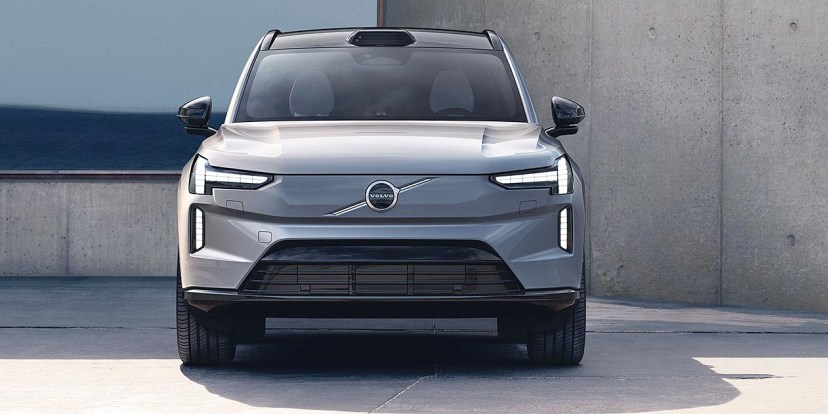
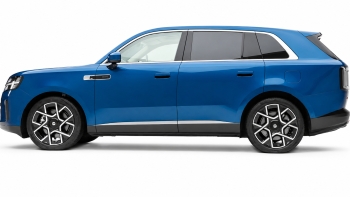
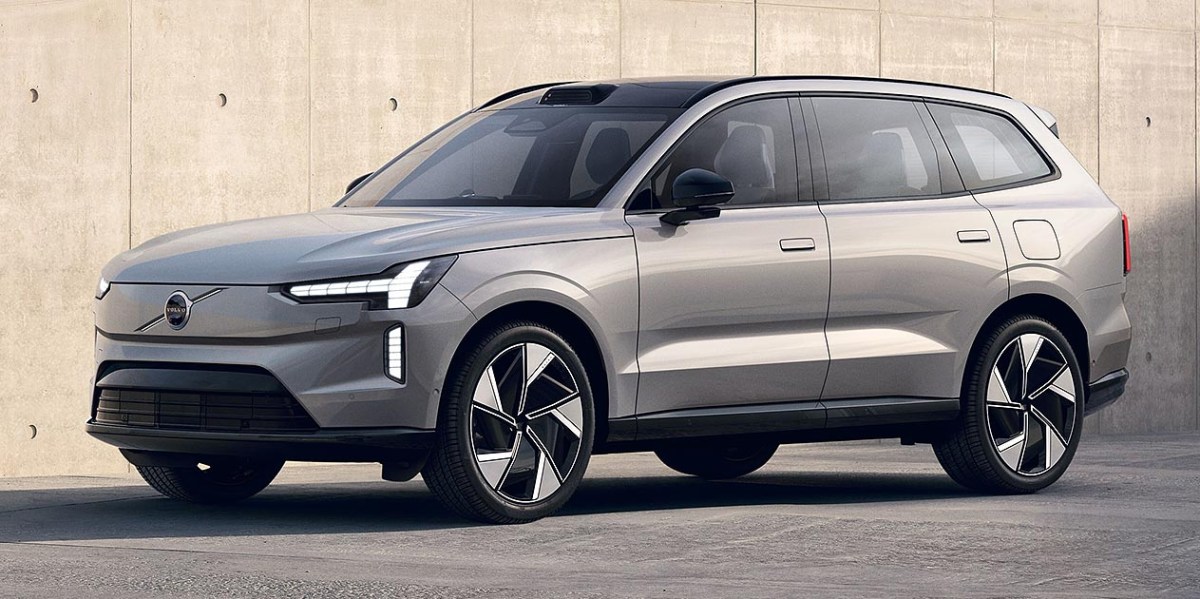
If you ever get a chance, look closely at the roofline of a brand-new Volvo EX90. You will spot it immediately - a slightly awkward plastic nodule sitting right above the windshield like a miniature taxi sign. Volvo claimed that this little bump was the crown jewel of future autonomy, a state-of-the-art laser sensor meant to redefine safety. Instead, as we coast through 2026, that sleek housing turned into a monument to yet another promise that ran out of juice.
We have to appreciate Volvo’s obsession with keeping us alive, but their grand LiDAR experiment has officially slammed into a brick wall. The Swedish automaker terminated its partnership with Luminar, which was responsible for providing the laser-sighted eyes for the EX90 and its sedan sibling, the ES90. The corporate breakup was messy - full of finger-pointing over missed obligations - and the final curtain fell when Luminar filed for Chapter 11 bankruptcy protection late last year. As the supplier has been liquidated, the assets have been sold off for parts, and the ambitious software features that were supposed to harness that roof-mounted hardware are dead in the water.
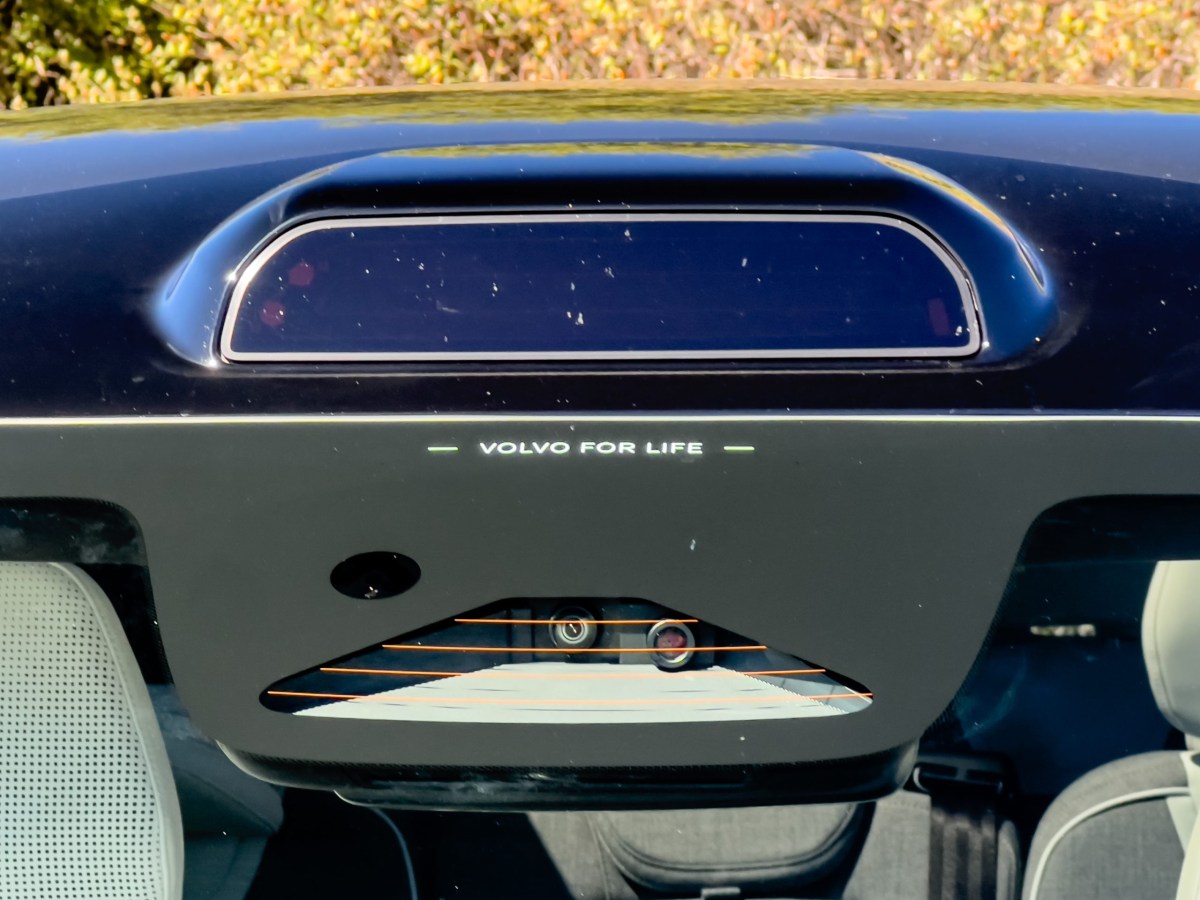 LiDAR sensor on Volvo EX90
So, what does a manufacturer do when they sell their faithful enthusiasts a flagship electric cruiser with a piece of non-functional hardware permanently baked into the metal? If you are Volvo, you pull out the corporate checkbook and start writing apology letters. The compensation strategy is a market-by-market journey of varying generosity. If you live in Norway, the local distributor cuts you a direct check for NOK 18,000 (roughly $1,900) to make amends. Over in the Netherlands, buyers pocket € 1,500, while Canadian owners see an offer of about $1,420.
American buyers are getting a slightly different flavor of corporate appeasement. Instead of cold, hard cash, Volvo Cars USA offers a choice of three distinct packages valued around $1,500. You can choose a multi-year SiriusXM subscription bundled with $565 in charging credits, a tire-and-wheel protection plan, or a pre-paid maintenance package. It is almost ironic - you bought an advanced, next-generation electric flagship expecting the vehicle to map the road ahead with sci-fi precision, and instead, you get complimentary satellite radio and a free wheel alignment.
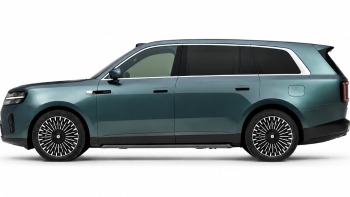
The EX90 is an absolute unit of an electric vehicle, laser or no laser. It stretches an imposing 198.3 inches from bumper to bumper and tips the scales at a monumental 6,213 lb. The boxy Kia EV9 is very similar at 197.4 inches in length but manages to be slightly lighter, weighing in at 5,851 lb in its top dual-motor trim. The Audi Q8 e-tron feels almost compact by comparison, measuring 193.5 inches long and weighing 5,699 lb.
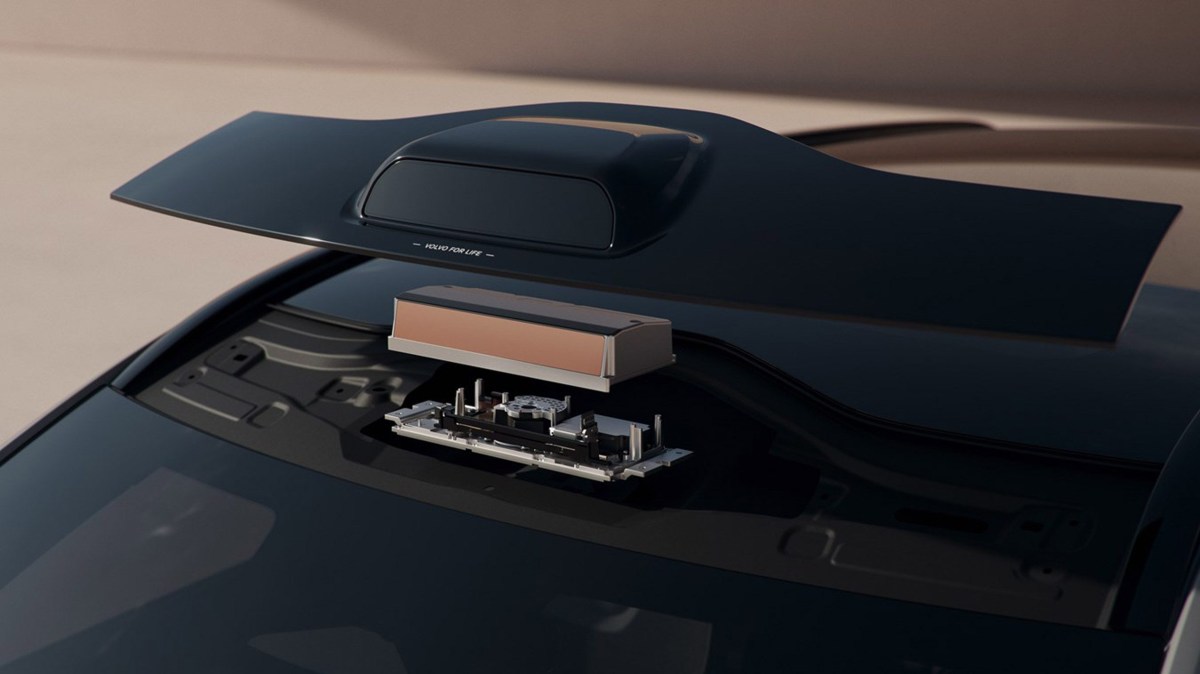
The breakdown behind this LiDAR cancellation boils down to a classic case of biting off more than the central computer can chew. The original Iris sensor generated a huge torrent of data - a firehose of information - that completely overwhelmed the vehicle’s original computing brain. Even after Volvo upgraded the processing hardware to better digest the numbers, the software integration was an elusive puzzle. When Luminar’s financial woes mounted, production realities forced Volvo to start assembling vehicles without the roof sensors entirely. From the 2026 model year onward, the option vanished from the configurator completely, leaving early adopters as the only ones sporting the physical laser housing.
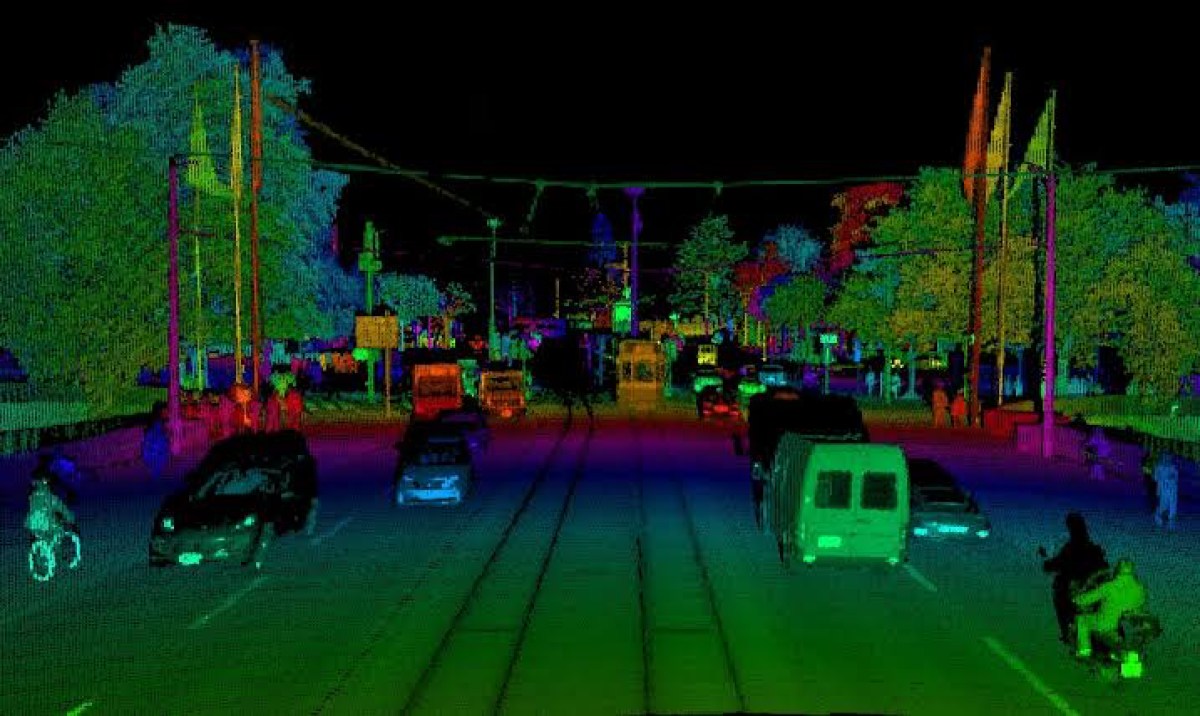 This is how LiDAR ''sees'' the world
Thankfully, losing the laser turret does not mean your large Swedish safety capsule travels blind. The EX90 still has a highly capable sensor stack that includes five radars, eight exterior cameras, two interior cameras, and sixteen ultrasonic sensors scattered across the bodywork. It is an impressive defensive shield that provides plenty of real-world driver assistance, even if it lacks the long-range laser vision originally promised. Sister brand Polestar also stripped the LiDAR option from the Polestar 3 configurator - since both crossovers share the same underlying SPA2 architecture - though the more performance-oriented brand has yet to announce any formal payout packages for its own customer base.
This high-tech retreat comes at a very delicate moment in Volvo’s broader history as they navigate a bumpy road toward full electrification. The company’s latest financial reports show they are finally stabilizing after a brutal stretch, posting a solid Q2 revenue of SEK 77.7 billion ($8 billion) and delivering SEK 5 billion ($515 million) in targeted reductions six months ahead of schedule.
Volvo’s performance in China is weak, but global battery-electric vehicle deliveries jumped 14 percent during the quarter, with steady EV growth hitting a consistent range of 13 percent to 15 percent over the last several months. Electrified models now account for 52 percent of their total sales volume - a monumental first for the brand that proves their core audience is ready to dump internal combustion for good.
The road ahead looks very busy for the Gothenburg outfit. The smaller EX60 began customer deliveries in Europe this month, and a product strategy update is locked in for September 17 to outline the next decade of vehicles. As for LiDAR? Volvo has officially kicked that particular can down the road, deferring any future integration until 2029 at the earliest.
Related


Reader comments
- QuasiMotor
Lidar shmidar, where is the brand new EX40 already? Some lady destroyed my twin ultimate and I need a new car. The EX60 is a station wagon already! Give us maximum design, keep the wheelbase short and gobs of high torque power please and soon! Oh ...
- 31 Jul 2026
- 0iq
- Anonymous
So 10 people in total will receive a check.
- 30 Jul 2026
- xix