The latest Xiaomi HyperOS 1.18 teaches the SU7 and YU7 to relax in traffic
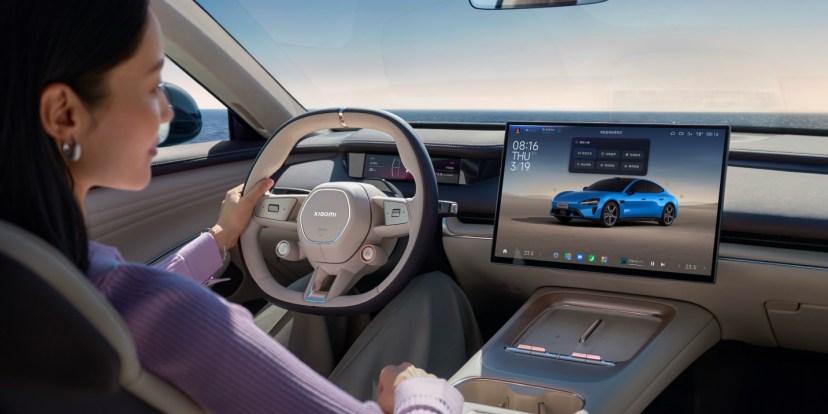
The irony of owning an electric car with enough power to outrun most supercars isn't funny at all - we spend four days out of five stuck behind delivery vans in total gridlock. We love to obsess over Nürburgring lap times, wild zero-to-sixty sprints, and chassis balance on a mountain pass, but most of our miles are spent staring at brake lights. That's why Xiaomi Auto's latest HyperOS 1.18 caught my attention. It isn't trying to turn your daily drive into an autonomous nap pod, and it doesn't want to rewrite the laws of physics. It does something far braver - it focuses on the art of good manners.
Every tech executive promises that full autonomy is around the corner, but Xiaomi's approach under Lei Jun feels very much grounded, adult-like in comparison to some wild CEOs out there. The company has made it clear that assisted driving is not autonomous driving. There are no bold declarations of Level 4 robotaxi supremacy hiding in this release. HyperOS 1.18 focuses on the nervous driving habits that have plagued urban driver-assist stacks since their inception. Anyone who has sampled early versions of urban navigation assist knows that uneasy feeling when a car panic-stabs the brakes because a pedestrian glanced in its general direction, or jerks the steering wheel violently when a delivery scooter brushes past.
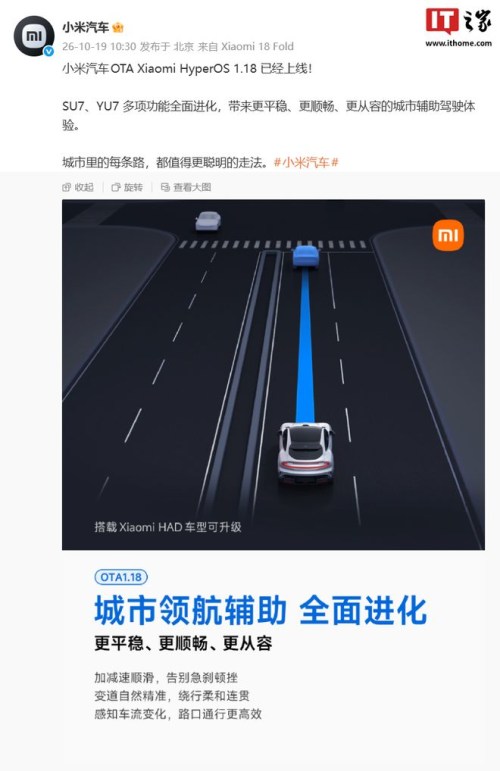
With 1.18, Xiaomi's software team has targeted that mechanical anxiety. They smoothed out the throttle mapping and braking deceleration curves - the car no longer behaves like a jumpy learner driver and acts like an experienced chauffeur. Merges into packed multilane streets are now calibrated around the actual, messy ebb and flow of city traffic rather than mathematical margins. If a double-parked van is in your lane, the system goes for a measured, gentle detour instead of slamming on the anchors. My favorite change of all is the end of the nagging voice that previously announced every single lane change, chiming every forty seconds to announce what you can plainly see with your own eyes.
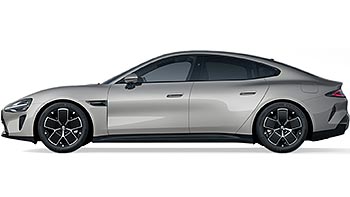
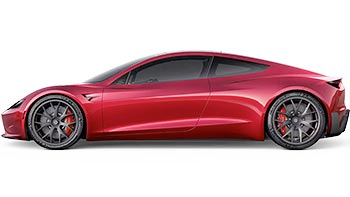
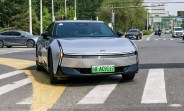
The SU7 is a serious piece of performance machinery. Built on Xiaomi's Modena platform, the low-slung four-door stretches 196.7 inches in overall length, spans 77.3 inches wide, and stands 57.3 inches tall. At that size, it goes after the European royalty like the Porsche Taycan, and it overshadows the Tesla Model 3 at 185.8 inches in length.
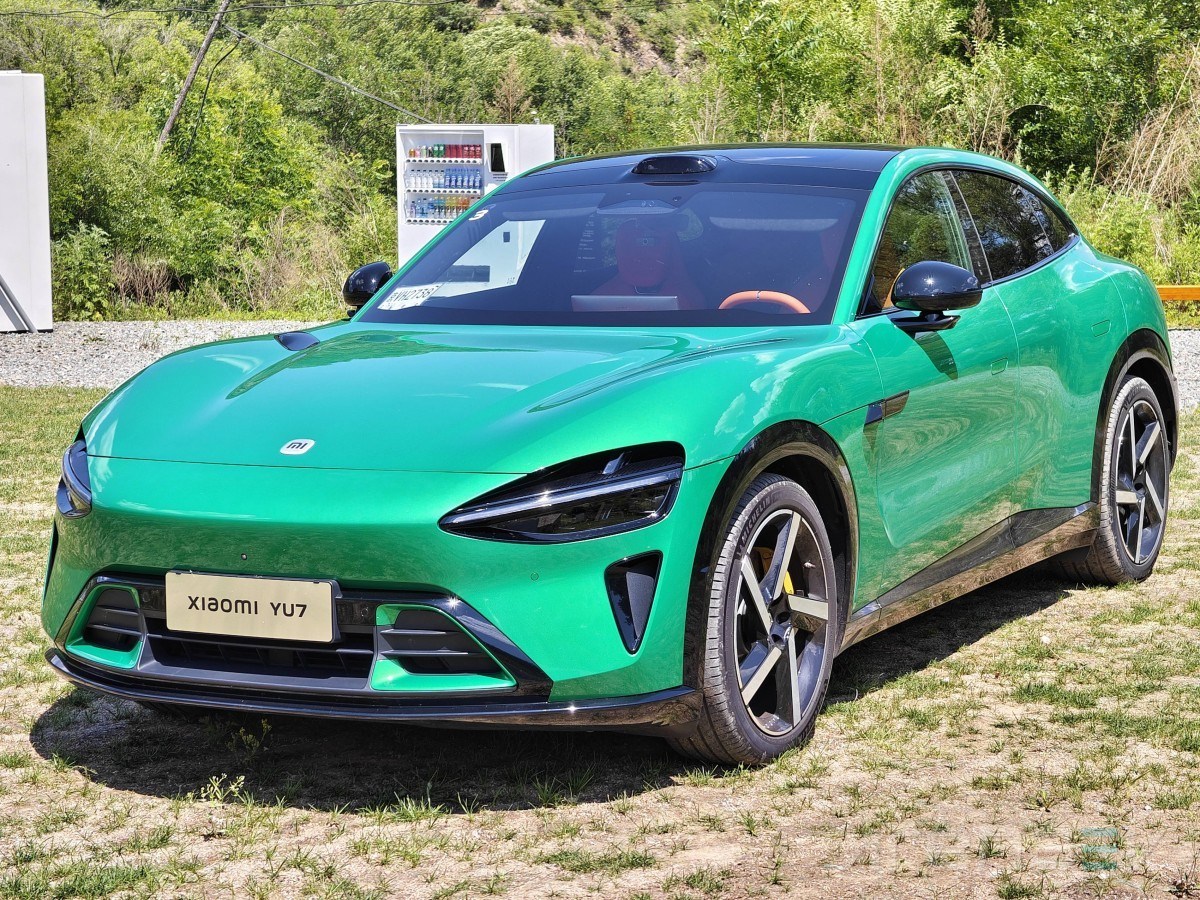
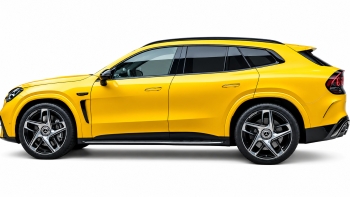
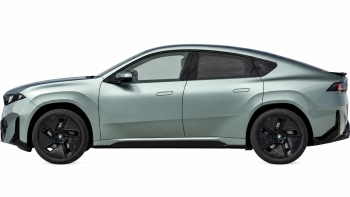
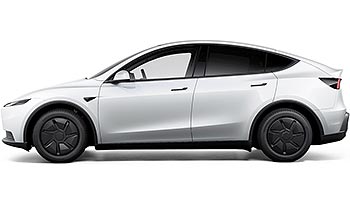
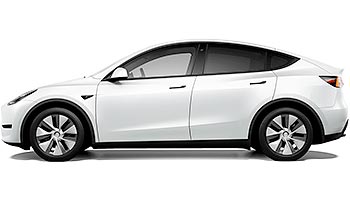
The second member of the garage is the YU7. It rides on the same generous 118 inches wheelbase as the SU7, but it is 196.8 inches long, 78.6 inches wide, and 63 inches tall. In all-wheel-drive Pro trim, the SUV tips the scales at a stout 5,346 lb while putting down 509 lb-ft of torque. The Tesla Model Y feels compact next to it, at 187 inches long, 75.6 inches wide, and riding on a 113.8 inches wheelbase. Even high-end sports crossovers like the Porsche Macan (188.3 inches in length and 76.3 inches in width) are much smaller than the Chinese SUV. Navigating a crossover that is two meters wide through tight urban alleyways is nerve-wracking enough; doing so with jerky driver-assist software is pure frustration.
That's exactly why the YU7 received the 1.18.0 update first on October 12. Interestingly, Xiaomi quietly ditched the tag "end-to-end assisted driving" in favor of the much more descriptive "all-domain navigation assistance." In China, rival brands throw around engineering buzzwords like confetti, and rebranding the software stack around actual end-user utility is a clever play. Drivers do not care whether neural networks are running perception transformers or reinforcement learning heuristics under the dashboard - they just want the vehicle to manage the transition from an elevated expressway to a congested side road without dropping the reins in panic.
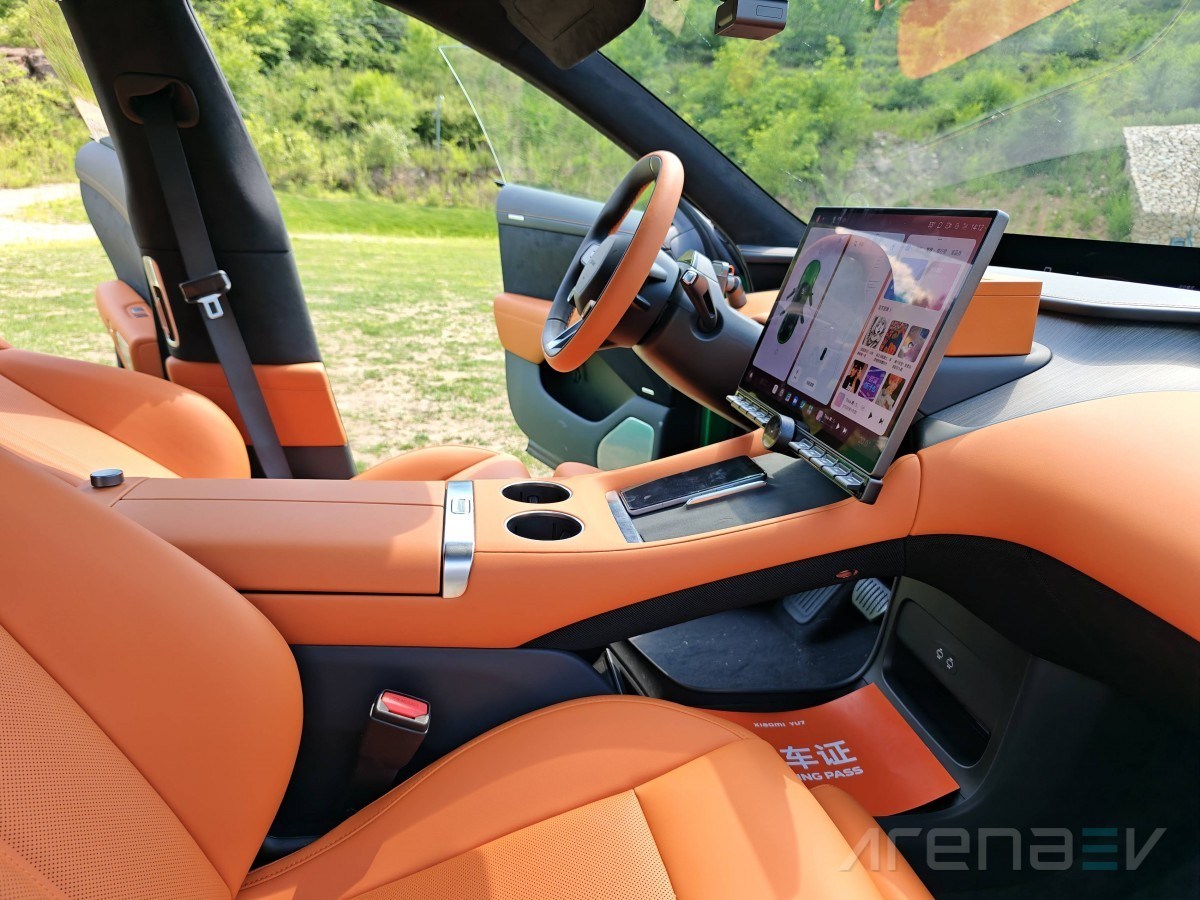
Anyone who has ever used multi-level underground parking garages of modern Chinese mega-malls knows that GPS dies on the entry ramp. The updated system expands precision mapping across many popular commercial hubs, guiding the car through these labyrinths straight to your chosen elevator or an available charging bay. It sounds like a small thing - until you find yourself circling for fifteen minutes looking for a free plug. Having the car handle the final (and most stressful) few hundred meters of the journey is real progress.
We are seeing here a natural maturation of Xiaomi Auto's proprietary HAD (Hardware Architecture Driving) technology stack. Over the past twelve months, the company has bolstered its assisted-driving architecture with reinforcement learning models, world-model spatial awareness, and autonomous emergency steering (AES) to handle sudden lane intrusions. It is worth pointing out that the car's operating system shares the HyperOS name with Xiaomi's handheld devices (and its new cross-device bridging tools with the Apple ecosystem), but the automotive codebase is a completely distinct, safety-critical machine.
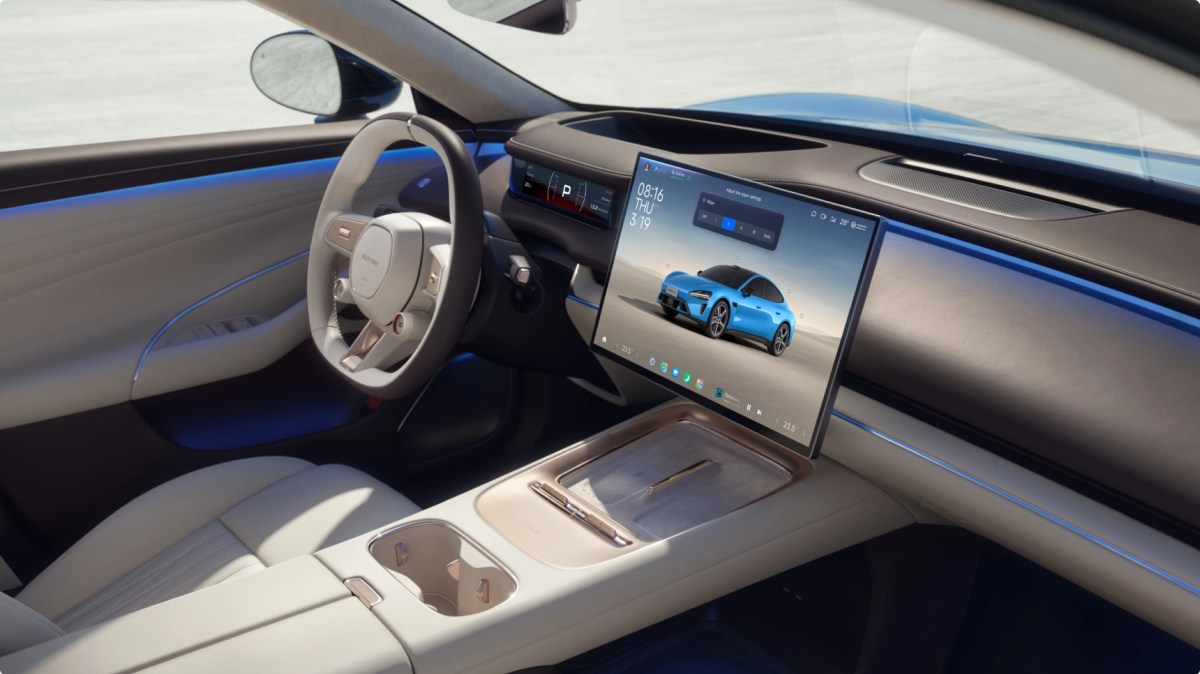
In its home market, Xiaomi Auto is competing with the likes of Zeekr, Nio, XPeng, and the ever-present BYD. When the SU7 launched, critics wondered if Xiaomi could maintain manufacturing quality while ramping up production to meet astronomical order banks. The company did hit the manufacturing milestones and established itself as a credible brand right out of the gate. But holding onto market share in the world's widest electric vehicle market needs constant software improvements. Hardware gets dated, but a car that drives slightly better every two months builds strong customer loyalty.
From an enthusiast's point of view, the best driver-assist systems are the ones that know when to step back and let you drive, and take the sting out of mundane driving when you want to decompress. When the road clears, you want to revel in the SU7's low center of gravity, sharp front-end bite, and swift corner exit. But when you are caught in bumper-to-bumper traffic, you do not want to be wrestling a jittery computer. By stripping out the voice alerts, smoothing the transition between friction and regenerative braking, and granting the car a touch more human intuition, HyperOS 1.18 turns assisted driving into a reliable co-pilot rather than a nervous back-seat driver.
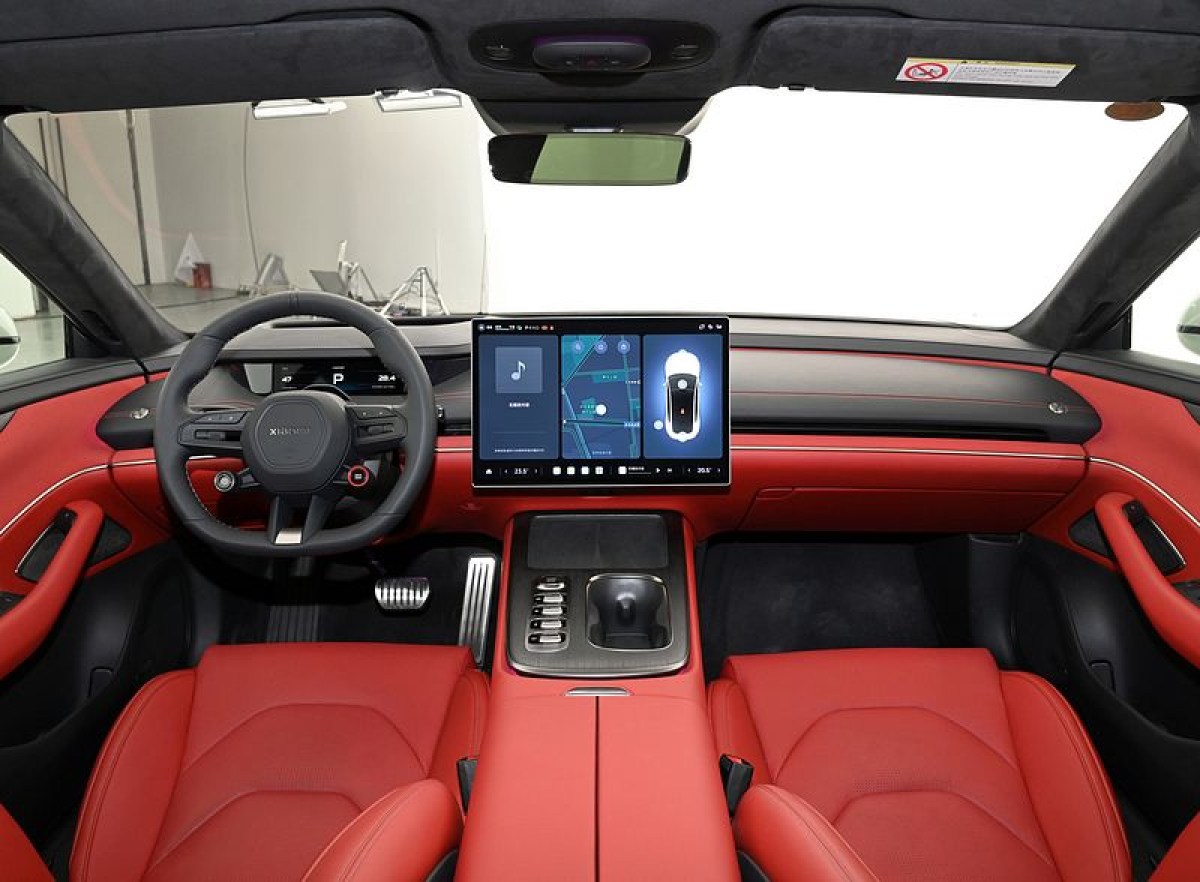
Owners in Beijing, Shanghai, and Shenzhen are already downloading these upgrades via their smartphone apps, but the global implications are impossible to ignore. Chinese automakers are already looking toward Europe and other international markets, and they know software maturity will be the ultimate differentiator. Western buyers are very skeptical of high-tech gimmicks, and they have zero tolerance for unrefined driving dynamics. If Xiaomi can master both the thrill of a back road and the civilized decorum of a traffic jam, legacy automakers will have yet another problem on their hands.
Related



Reader comments
Nothing yet. Be the first to comment.