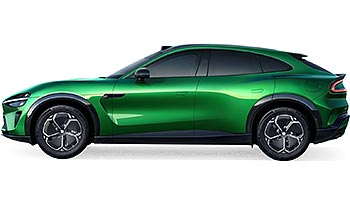
Xiaomi shifts gears with new sub-brand and extended-range SUVs
Xiaomi, the consumer electronics company that entered the automotive industry only a couple of years ago, is taking a major detour. China's Ministry of Industry and Information Technology granted regulatory approval for the company to build extended-range electric vehicles. This development is a complete reversal for the tech firm, which previously dismissed this powertrain technology. Realities in the domestic market have forced the manufacturer to shift its strategy to meet changing consumer demands.
Extended-range electric vehicles, commonly called EREVs, rely on a battery and electric motors to drive the wheels, but they also have a small ICE engine. The engine never powers the wheels directly, but instead, it operates only as an onboard generator to recharge the battery pack when it runs low. This setup eliminates range anxiety for drivers who travel long distances or have no access to reliable charging infrastructure. Pure electric cars continue to grow in popularity, but these alternative drivetrains have become a success story in China.
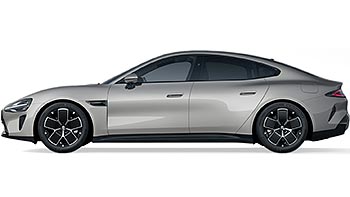
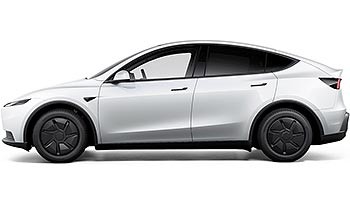
To protect its existing identity, Xiaomi plans to launch these new vehicles under a dedicated sub-brand named Skynomad (or Sky Nomad, depending on which Chinese source you reference). Xiaomi's vehicle lineup, which includes the sporty SU7 sedan and the YU7 crossover, focuses on pure battery electric technology and high performance. Selling large, family-oriented hybrid models under the main badge could dilute that high-tech image. By creating Skynomad, the parent company can target a completely different demographic without confusing buyers who associate the main brand with sleek, zero-emission sports cars.
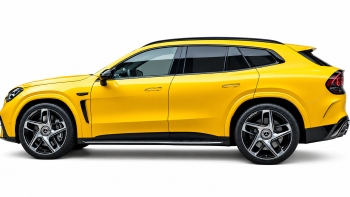
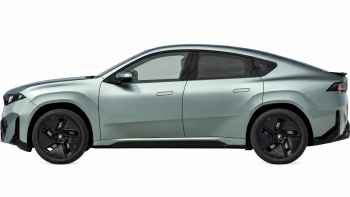
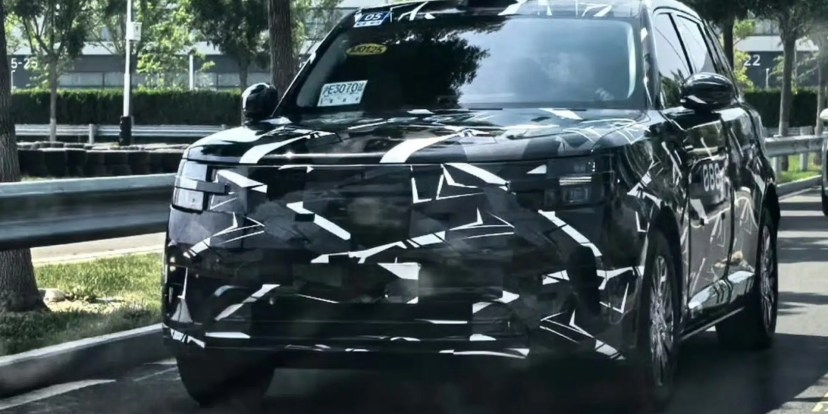
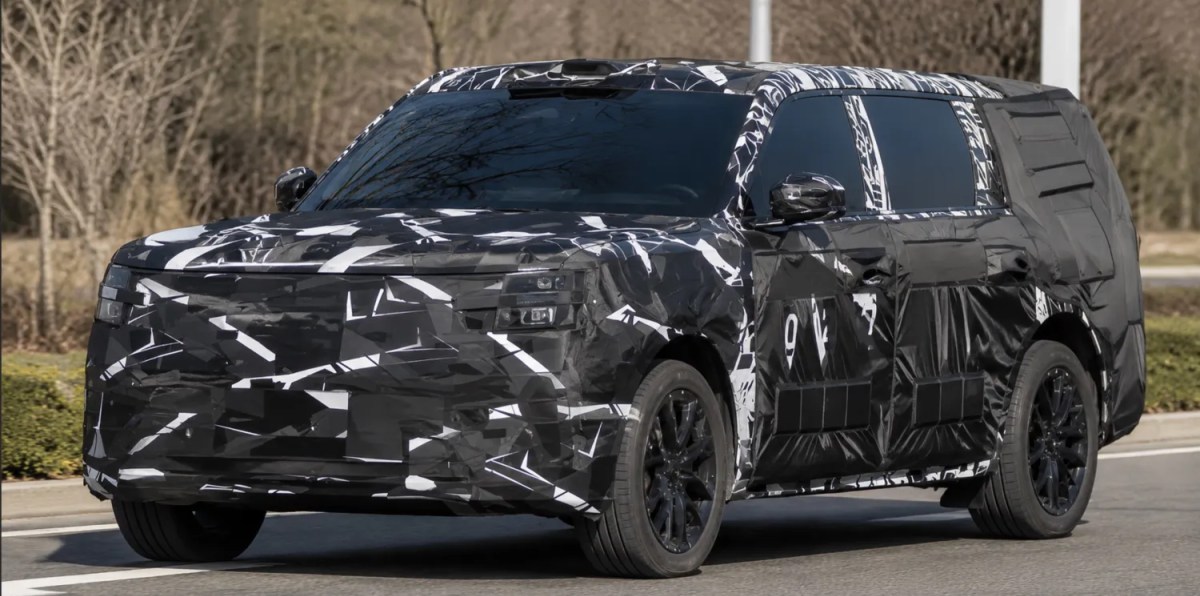
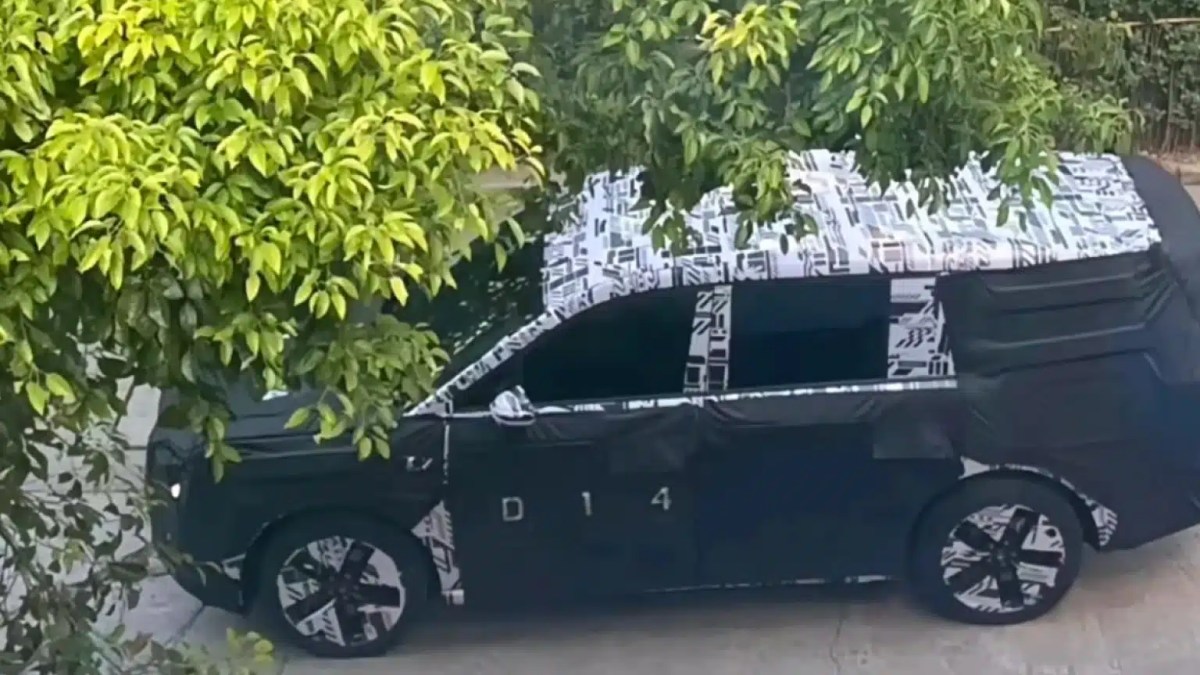
Development is already well underway for the first vehicle under this new strategy. Engineers are testing a full-size SUV with the internal codename Kunlun N3. Spy photographers in China spotted the vehicle wearing thin camouflage film, revealing a large vehicle with a high hood line, blocky headlights with a distinct horizontal middle element, and a roof-mounted LiDAR sensor for advanced driver assistance systems. The vehicle also has some interesting design touches like semi-hidden door handles, large multi-spoke rims, a trapezoidal lower air intake, and electrically powered side steps.
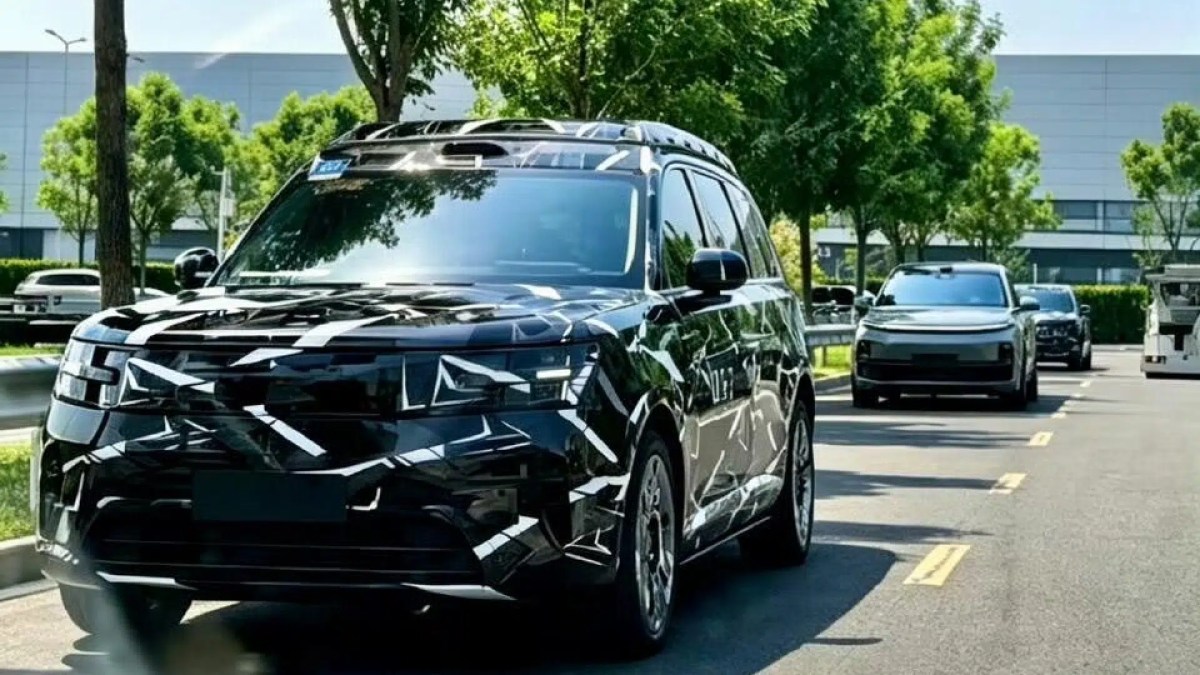
The new Kunlun N3 targets the absolute top shelf of the family SUV segment. The physical dimensions are substantial, with a total length that stretches over 17.4 ft, allowing for a spacious three-row cabin that accommodates seven passengers. To give it competitive performance, Xiaomi will use a newly developed platform that will eventually support multiple derivative models, including a smaller five-seat variant.
Technical specifications show that the upcoming vehicle intends to compete directly with established market leaders. The SUV will carry a large battery pack with a capacity of over 70 kWh, which will deliver a pure electric driving range between 249 miles and 311 miles under the China Light-Duty Vehicle Test Cycle. Two major Chinese battery companies will split the manufacturing duties for these energy storage packs, with Sunwoda supplying 60 percent of the volume and CALB providing the remaining 40 percent.
The main target for the new model is the Li Auto L9, a vehicle responsible for establishing the luxury full-size EREV crossover class. The L9 has a 72.7 kWh battery, delivers 261 miles of pure electric range, and starts at RMB 459,800, which equals roughly $67,600. The L9 had some difficulties recently, with deliveries dropping 74 percent year-over-year to just 4,131 units in the first four months of 2026. Xiaomi sees an opening to undercut this rival on price while matching its dimensions and capabilities. The company will also have to contend with the Huawei-backed Aito M9, which dominates the premium segment above RMB 500,000.
Xiaomi set an ambitious delivery target of 550,000 vehicles for 2026, a 34 percent increase over the 410,000 units delivered in 2025. Between January and May of 2026, total deliveries reached 150,317 units - a modest 13.5 percent year-over-year growth. May deliveries hit 32,759 vehicles, which is up 17 percent compared to the same month last year but down 10.7 percent from April. So far, these numbers do not bode well for Xiaomi's ambitions, and launching the new Skynomad models in the second half of 2026 provides the exact volume boost needed to reach those annual sales goals.
Related

Reader comments
The West of China is for sure not the easiest for an EV. Still, 400 km EV range should bring you close to the next charging station. And yet, most buyers will never get close to these areas and instead drive around in urban and suburban areas with a ...
- 16 Jun 2026
- Ui2
- Anonymous
yalim is speechless about how far xiaomi has gone in the ev space by launching this new suv.
- 13 Jun 2026
- cWG